The True Cost of Buying in Anaheim: Property Taxes & Closing Costs Explained
By Cuong Kim Pham, DRE #01762224
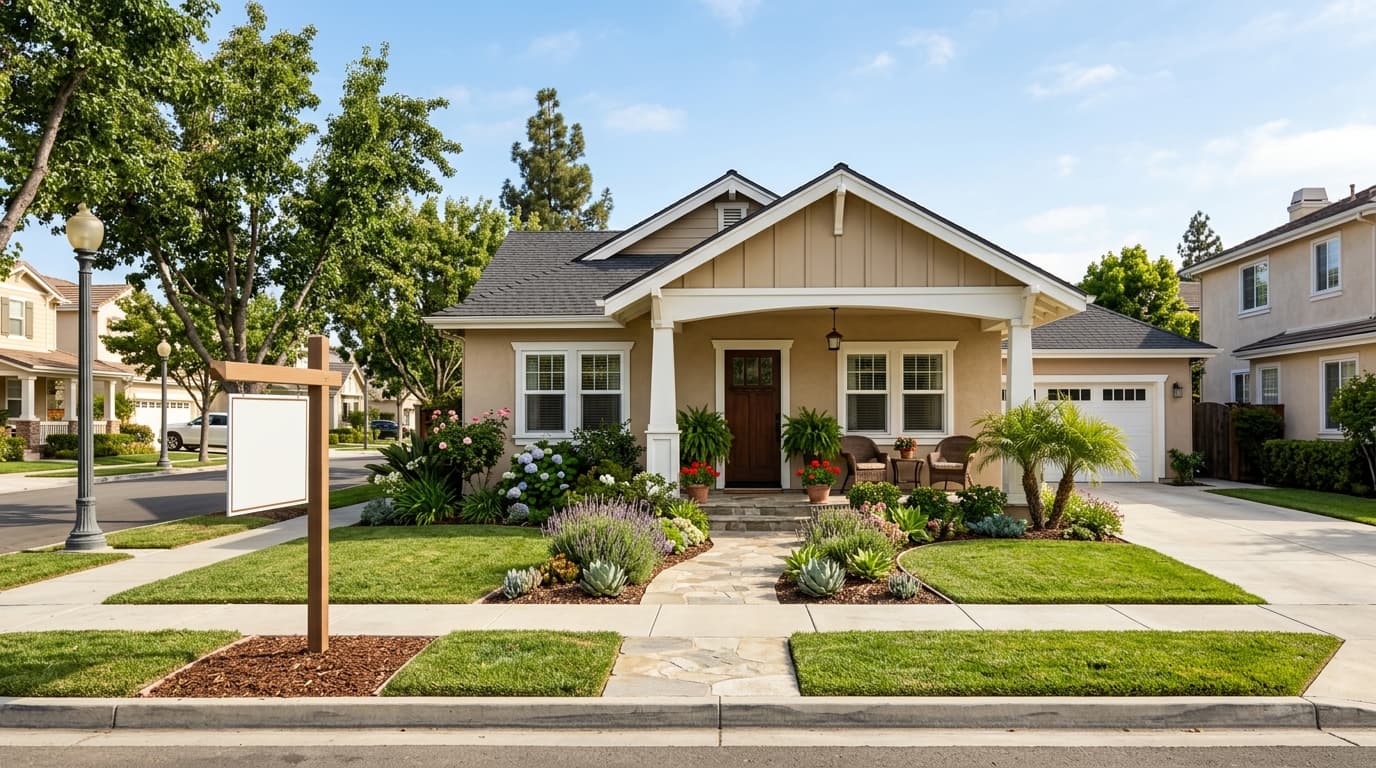
A first-time buyer's guide to Anaheim home buying closing costs and OC property tax, with the categories to budget for and who to ask for exact figures.
Most first-time buyers focus on the price and the down payment. The surprises usually come from the costs around them. If you are planning Anaheim home buying closing costs into your budget, this guide shows what to expect and how to get exact numbers.
I will not quote percentages here, because they vary by loan, price, and transaction. Instead, I will show you the categories and how to verify each one.
The Cash You Need at Closing
Your total cash to close generally includes three groups:
- Down payment, based on your loan program.
- Closing costs, the fees to complete the transaction.
- Prepaids and reserves, such as the first insurance premium and property tax installments.
Your lender must provide a Loan Estimate shortly after you apply, and a Closing Disclosure before closing. Compare them line by line, and ask me if anything looks unclear.
Common Closing Cost Categories
- Lender fees: origination, underwriting, and processing, depending on the lender.
- Appraisal and credit report fees.
- Title and escrow fees, including title insurance and settlement services.
- Recording fees charged by the county.
- Transfer-related charges, which may be paid by the seller, the buyer, or split, depending on local custom and negotiation.
- Prepaid interest from closing to the end of that month.
- Homeowners insurance premium, often due at closing.
- Home inspection and other reports paid during escrow.
Ask your lender and escrow officer for itemized estimates early. Some costs are negotiable and some are not, and in some markets a buyer can request seller credits toward costs.
How OC Property Tax Works
California property tax is based on the assessed value of your home, which is typically set when you buy it. Annual increases to assessed value are limited by state law, which is why the tax on a recently purchased home can differ greatly from a neighbor's tax on a long-held home. I will not quote a rate, because the total bill also includes voter-approved bonds, special assessments, and in some communities Mello-Roos or similar charges.
To estimate your bill, you can:
- Ask me for the property's current tax information from the title or listing documentation.
- Request an estimate from your lender, who will calculate it for your payment.
- Review the county assessor and tax collector sites for the specific parcel.
- Expect a supplemental tax bill after purchase, since the assessed value is updated to reflect your purchase.
That last point surprises many buyers. A supplemental bill can arrive after closing, so keep cash set aside.
Costs After Closing
Plan for ongoing expenses, not just closing day:
- Utilities and trash service, which may be higher than your current home.
- Maintenance, with a reserve for roof, HVAC, plumbing, and landscaping.
- HOA dues and any special assessments, where applicable.
- Moving, repairs, and furnishing.
Ways to Reduce Your Cash Needs
- Compare multiple lenders and ask for written estimates.
- Ask about down payment assistance and lender credits, and verify eligibility.
- Negotiate seller credits when the market and the offer allow.
- Shop for homeowners insurance early, as quotes vary.
- Time your closing date with prepaid interest in mind.
Build Your Own Worksheet
Create a simple page with four sections: cash to close, monthly payment, first-year reserves, and the date each item is due. Fill it in using the lender's Loan Estimate, the title company's estimate, and the county's tax information for the specific property. Update it whenever the price or loan changes. A buyer who tracks these numbers rarely faces a last-minute scramble, and it gives us a firm basis for negotiating credits.
Next Step
The right budget starts with a clear picture. Book a guided consultation through cuongkimpham.org, and I will help you build a cash-to-close worksheet for a specific Anaheim property and prepare the questions to ask your lender and title officer.
Cuong Kim Pham, Salesperson, CalDRE #01762224, (714) 809-5888, cuongkimpham.org.
This article is general information, not legal, tax, or lending advice. Consult a licensed attorney, CPA, or lender about your situation.
- #anaheim
- #closing costs
- #property tax
- #first-time buyers
- #home buying
- #orange county
General information only, not legal, tax, or financial advice. Disclosures.
Your property deserves a strategy, not a generic headline.
Book Advisory