Refinancing Strategies: Capitalizing on Mortgage Rate Compression Cycles
By Cuong Kim Pham, DRE #01762224
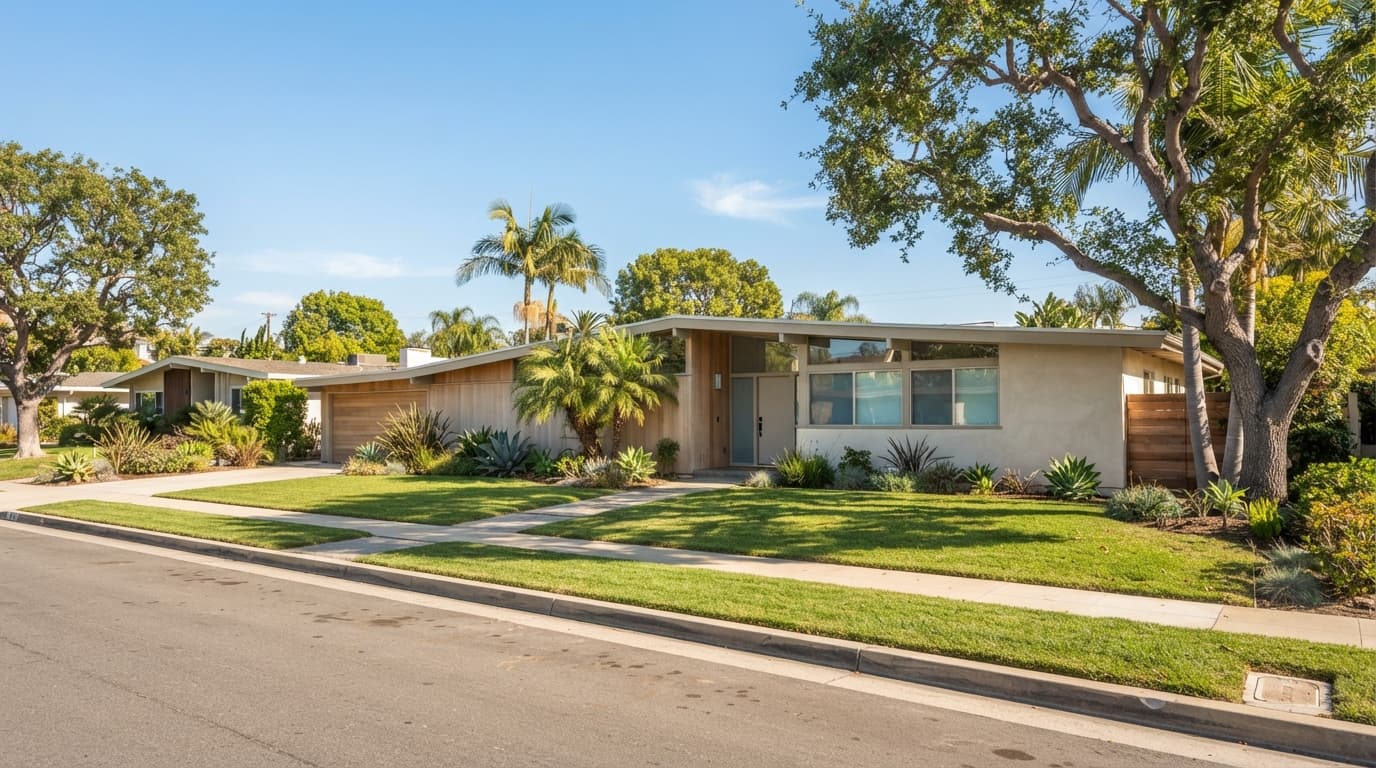
Learn how to evaluate a refinance when rates ease: break-even math, home equity loan timing, and questions to ask your lender before you lock in a new loan.
When mortgage rates ease, homeowners start asking whether it is time to refinance. A lower rate is appealing, but the decision should rest on arithmetic and your plans, not on headlines. Here is how I help existing owners think through a refinance strategy in OC, including home equity loan timing, without chasing the market.
Start With Your Reason for Refinancing
People refinance for different goals, and the goal shapes the right loan. Common reasons include:
- Lowering the interest rate or monthly payment.
- Shortening the loan term to pay interest off sooner.
- Moving from an adjustable rate to a fixed rate for stability.
- Drawing on equity for renovations, education, or other needs.
- Removing mortgage insurance when equity has grown.
Write down your primary goal before you request quotes. A refinance that lowers the payment but extends the term may not serve you if your aim is to be debt-free sooner.
Run the Break-Even Math
Refinancing has costs: lender fees, title and escrow charges, an appraisal, and possibly prepaid items. The core test is simple. Divide your total closing costs by your estimated monthly savings, and the result is the number of months to break even. If you expect to stay in the home longer than that, the refinance may make sense; if you might sell sooner, it may not.
Ask your lender for a written Loan Estimate and compare it to your current loan. Be careful to compare like with like. A lower rate paired with points or higher fees can look better than it is, and rolling closing costs into the balance means you pay interest on them.
Think About Rate Cycles Realistically
Rates move in cycles, and nobody can reliably predict the bottom. I do not tell clients to wait for a perfect moment. Instead, I suggest deciding in advance what savings would justify action, then monitoring that threshold with your lender. If you refinance and rates ease further, some lenders offer options to refinance again later, but ask about costs and any restrictions. Verify current rates and terms directly with your lender, since I do not quote them here.
Equity, Timing, and Home Equity Loans
Your equity is the difference between your home's value and what you owe. A cash-out refinance replaces your current loan with a larger one, while a home equity loan or line of credit sits behind your existing mortgage. If you hold a low-rate first mortgage, keeping it and borrowing separately against equity can be worth comparing to a full refinance. The best choice depends on your current rate, the amount you need, and how long you plan to hold the loan.
Whatever you choose, borrow against equity for a purpose that strengthens your finances, and keep a cushion. Your home secures the debt.
A Short Pre-Refinance Checklist
- Pull your current loan statement and note the rate, balance, and any prepayment terms.
- Estimate your home's current value using recent comparable sales.
- Get Loan Estimates from at least two or three lenders.
- Calculate your break-even point and compare it to your expected time in the home.
- Review the tax and legal implications with your CPA or attorney.
Mistakes I See Homeowners Make
The most common one is refinancing repeatedly without recalculating the break-even each time, which can quietly erase the savings. Another is borrowing against equity for spending that does not improve your finances. A third is skipping the comparison shopping step and accepting the first quote. A slower, documented process usually protects you better than a fast one.
Next Step
Knowing your equity is the first step in any refinance conversation. Use the home equity estimator on cuongkimpham.org to get a reasoned starting point based on comparable sales, and then bring it to your lender. I am happy to help you interpret the numbers.
Cuong Kim Pham, Salesperson, CalDRE #01762224, (714) 809-5888, cuongkimpham.org
This article is general information, not legal, tax, or lending advice. Consult a licensed attorney, CPA, or lender about your situation.
- #refinance
- #mortgage rates
- #home equity
- #orange county
- #homeowners
General information only, not legal, tax, or financial advice. Disclosures.
Your property deserves a strategy, not a generic headline. See how Cuong can help.
Calculate Home Equity