Long-Term Equity Accumulation: Tracking Cash Flow and Appreciation in OC
By Cuong Kim Pham, DRE #01762224
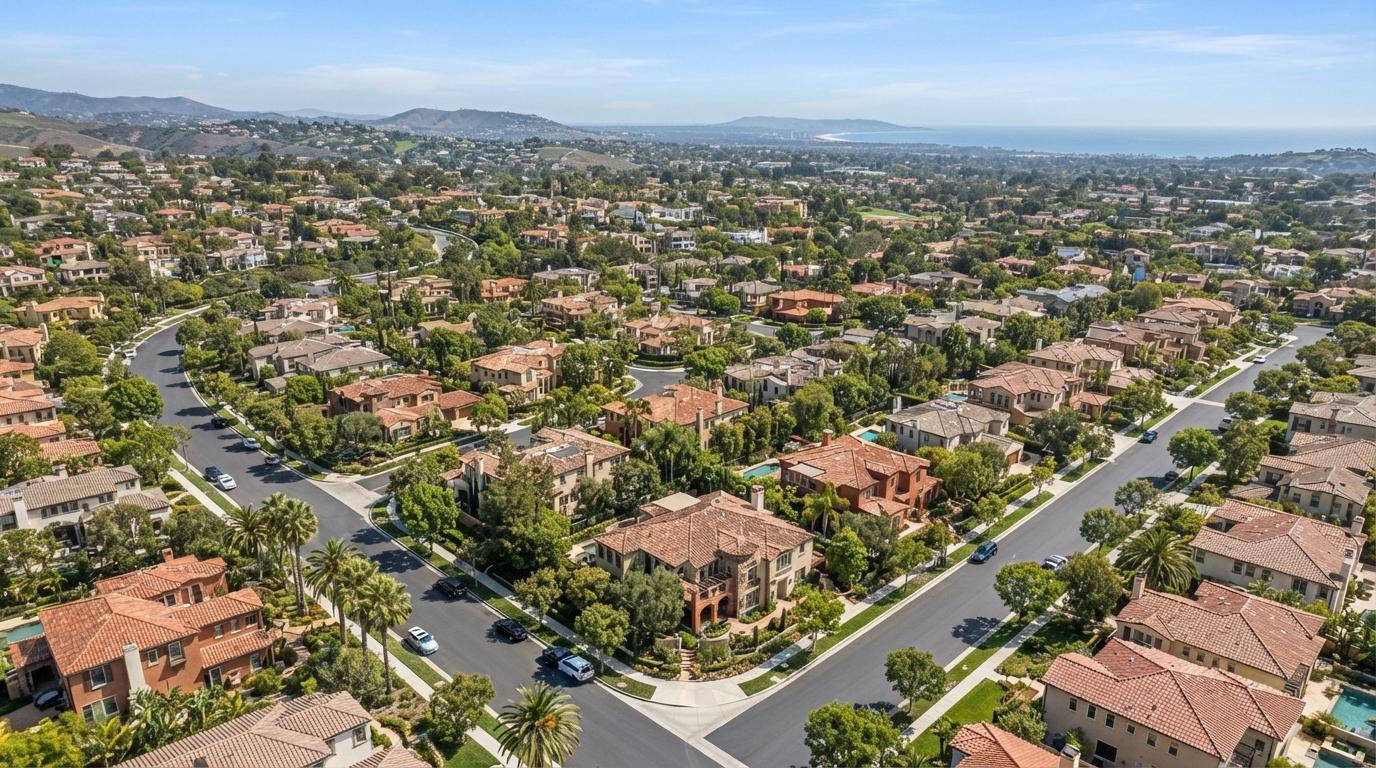
How to track cash flow, loan paydown, and appreciation across your Orange County properties, and read appreciation trends without relying on predictions.
Owning rental or investment property in Orange County is a long game, and the wealth it builds comes from several sources working together. Many owners track only one number, usually the estimated value, and miss the rest of the picture. Here is the framework I use with portfolio investors to follow Orange County property appreciation trends alongside cash flow and loan paydown.
The Four Sources of Return
Real estate returns typically come from four places. Keeping them separate helps you judge each property fairly:
- Cash flow: rent collected minus operating costs and debt service.
- Loan paydown: the portion of each payment that reduces your principal balance.
- Appreciation: the change in market value over time, which is never guaranteed.
- Tax treatment: deductions and other considerations that depend on your situation, so work with your CPA.
A property can disappoint on one measure and still serve you well on others. A modest-cash-flow home with strong loan paydown and long-term value growth may fit a patient investor better than a high-cash-flow property with deferred maintenance.
Track Cash Flow Without Fooling Yourself
Build a simple monthly record for each property. List rent received, then subtract property taxes, insurance, repairs, management, vacancy, and any association dues. Include a reserve for large items such as roofs and HVAC, even if you have not spent the money yet. Owners who ignore reserves often overstate their returns. If you cannot say what a property truly nets after a realistic year, you are guessing.
Read Appreciation Carefully
Appreciation is the hardest component to measure and the easiest to overstate. Over long periods, Orange County values have shown meaningful movement, but I will not predict where any price goes next, and I encourage you to be skeptical of anyone who does. To follow local trends, compare recent closed sales of similar homes in the same area, adjusting for size, condition, and features. Look at several months of data rather than a single sale, and verify figures through current MLS-based comparable sales rather than automated estimates alone.
Know Your Real Equity
Equity is your estimated market value minus all loans secured by the property. It is not the same as cash in your pocket, because selling involves costs, and a loan against it creates debt. Still, knowing your equity position helps you decide whether to hold, refinance, sell, or reinvest. I suggest updating the estimate at least once a year and after any major improvement or market shift.
An Annual Portfolio Review
- Update each property's estimated value using recent comparable sales.
- Confirm your current loan balance, rate, and remaining term.
- Total the year's cash flow, including a fair allowance for deferred maintenance.
- Compare each property's performance to your original goals.
- Decide which properties to hold, improve, refinance, or sell.
- Review insurance coverage and reserves.
Selling or exchanging a property can carry tax consequences, including capital gains and potential use of a 1031 exchange, which has strict deadlines and requires a qualified intermediary. Talk with your CPA and attorney before acting.
Compare Properties on One Page
I like to give investors a single-page summary with one row per property: estimated value, loan balance, equity, annual net cash flow, and notes on upcoming capital needs. Seeing everything side by side makes weak performers obvious and helps you avoid keeping a property out of habit. It also gives your CPA and lender a clear starting point when you discuss strategy.
Remember that your estimates are only as good as your inputs. Update them with fresh comparable sales and actual statements, not memory.
Next Step
Good decisions start with accurate numbers. Use the home equity estimator on cuongkimpham.org to get a starting estimate for any property you own, then reach out and I will help you refine it with current comparable sales.
Cuong Kim Pham, Salesperson, CalDRE #01762224, (714) 809-5888, cuongkimpham.org
This article is general information, not legal, tax, or lending advice. Consult a licensed attorney, CPA, or lender about your situation.
- #equity
- #cash flow
- #appreciation
- #orange county
- #portfolio
- #investors
General information only, not legal, tax, or financial advice. Disclosures.
Your property deserves a strategy, not a generic headline. See how Cuong can help.
Calculate Home Equity